
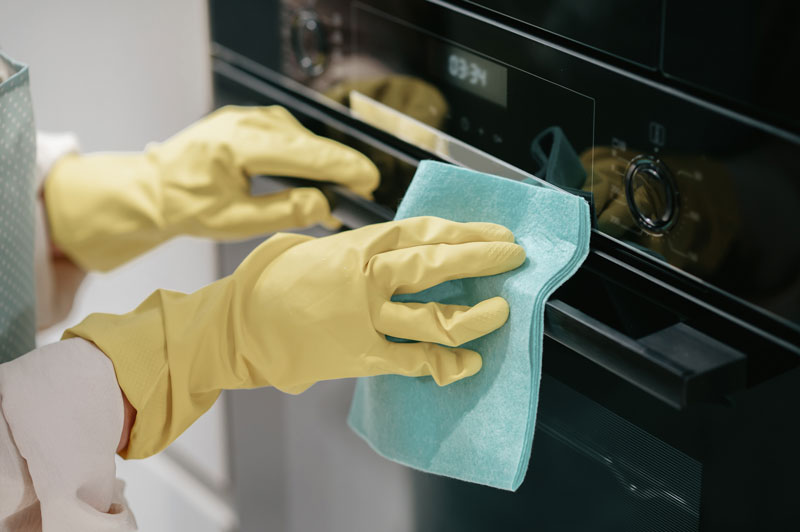
Over time, every kitchen accumulates a sticky, stubborn layer of residue that standard wiping simply cannot remove. This buildup creates a dull appearance on surfaces and can eventually trap odors, making the heart of your home feel less welcoming than it should be.
To truly restore the space, you must move beyond daily maintenance and commit to a deep cleaning process that targets hidden grime. By understanding the chemistry of grease and applying the right techniques, you can transform your cooking area and ensure a healthier environment for your family.
Understanding the Science of Grease Buildup
Before diving into the physical labor of intensive kitchen degreasing, it is helpful to understand exactly what you are fighting. Kitchen grease is rarely just oil; it is a mixture of fats, oils, and steam that becomes airborne during cooking. When this mixture lands on cabinets, vents, or walls, it cools and solidifies. Over time, dust and microscopic food particles settle into this sticky layer, creating a compound that hardens like a varnish.
Consequently, water alone is ineffective because oil and water do not mix. To break the bond between the grease and the surface, you need a surfactant or a solvent. This is why intensive kitchen degreasing requires specific products—either high-pH chemical cleaners or acidic natural solutions—that can penetrate that hardened shell. Furthermore, understanding the chemistry of cleaning helps you choose the right tools, ensuring you don’t damage delicate finishes while trying to scrub away the grime.
5 Ways to Master Intensive Kitchen Degreasing
When facing a kitchen that requires a serious revival, a haphazard approach will only lead to frustration. Instead, breaking the project down into manageable, methodological approaches ensures that every inch of the room is treated effectively. Here are five distinct methods and areas to focus on for a successful deep clean.
1. The Steam Cleaning Method for Hard Surfaces
One of the most effective ways to tackle intensive kitchen degreasing without harsh chemicals is through the power of steam. High-temperature steam works by melting the solidified grease, turning it back into a liquid state that can be easily wiped away. This method is particularly effective for:
- Grout lines: Grease loves to settle in the porous material between tiles.
- Stovetops: Hardened spills lift easily under thermal shock.
- Hard-to-reach crevices: Steam can penetrate areas your fingers can’t reach.
However, you must be cautious. While steam is excellent for tile and metal, it can damage certain types of laminate or painted wood cabinets if applied for too long. Always keep the steamer moving. Additionally, have a microfiber cloth ready to wipe the surface immediately; if the grease cools down, it will simply re-harden on the surface.
2. The Soaking Strategy for Removable Parts
For items that can be detached, such as range hood filters, burner grates, and refrigerator shelving, soaking is the superior method. Intensive kitchen degreasing is much easier when you let time and chemistry do the heavy lifting for you.
- Range Hood Filters: These are often the greasiest items in the house. Fill a sink with very hot water, a generous amount of degreasing dish soap, and a cup of baking soda. Let them soak for at least 30 minutes. The solution will break down the sticky residue, allowing you to scrub it away with a brush.
- Oven Racks: If your oven racks are coated in burnt-on carbon and grease, soaking them in a bathtub lined with old towels (to prevent scratching) and a cleaning solution can save hours of scrubbing.
Therefore, never underestimate the power of a long soak. It softens the grime significantly, making the final scrub much less labor-intensive.
3. The Natural Solvent Approach for Cabinets
Wooden cabinets require a delicate touch. Harsh chemicals can strip the varnish or paint, ruining the finish permanently. For intensive kitchen degreasing on wood, a natural solvent approach is often best. A mixture of white vinegar and warm water is a classic solution, but for tougher grease, adding a few drops of citrus oil can be a game-changer.
- Test first: Always test your solution on a small, hidden area of the cabinet door.
- Use the right cloth: Avoid abrasive sponges. Use a soft microfiber cloth to gently massage the grease away.
- Dry immediately: Wood hates moisture. After cleaning, use a separate dry cloth to remove any dampness.
This method effectively cuts through the sticky layer without compromising the integrity of the wood grain. It is a slower process, but it ensures your kitchen revival doesn’t result in damaged furniture.
4. The Top-Down Gravity Technique
A common mistake in kitchen cleaning is starting with the countertops and then moving to the upper cabinets. Gravity dictates that dust, crumbs, and cleaning solution will fall downward. Therefore, a proper intensive kitchen degreasing session must start at the highest point in the room.
- Ceiling and Light Fixtures: Start by dusting and wiping down light fixtures and the tops of cabinets.
- Upper Cabinets: Clean the doors and hardware of the upper units.
- Backsplash: Move down to the wall tiles.
- Countertops: Clean the flat surfaces.
- Lower Cabinets: Tackle the bottom doors and drawers.
- Floors: Finish with the ground.
By following this order, you ensure that you never have to reclean a surface because debris fell on it from above. This systematic approach saves time and energy.
5. The Appliance Deep-Dive
Your appliances are the workhorses of the kitchen, and they harbor significant amounts of hidden grease. Intensive kitchen degreasing is incomplete without addressing the interior and exterior of these machines.
- The Oven: Whether you use the self-cleaning function or a manual cleaner, the oven requires ventilation and patience. Don’t forget the glass door; a paste of baking soda and water left to sit for an hour can work miracles on brown stains.
- The Microwave: Steam a bowl of water with lemon slices inside for five minutes. The steam loosens the dried food splatters, making them easy to wipe.
- The Refrigerator: Pull the fridge away from the wall. The coils on the back attract dust and grease, which can actually make the appliance run less efficiently. Vacuuming these coils is a vital part of kitchen cleaning.
Essential Tools for Effective Kitchen Cleaning
To perform intensive kitchen degreasing successfully, having the right arsenal of tools is just as important as the technique. You do not need expensive gadgets, but you do need reliable equipment.
- Microfiber Cloths: You will need plenty of these. They grab grease rather than just spreading it around like cotton rags do.
- Non-Scratch Scrub Sponges: Look for sponges specifically designed for non-stick cookware or glass to avoid scratching stainless steel or enamel.
- An Old Toothbrush: This is indispensable for cleaning around faucet handles, knobs on the stove, and tight corners in cabinet molding.
- Rubber Gloves: Degreasing agents, even natural ones, can be very drying to the skin. Protect your hands.
- A Plastic Scraper: For hardened gum or thick layers of grease, a plastic scraper (or an old credit card) can lift the bulk of the mess without gouging the surface.
Maintaining the Revival
Once you have completed the intensive kitchen degreasing, the goal is to maintain that level of cleanliness for as long as possible. While a deep clean is necessary occasionally, small habits can extend the time between these major sessions.
For instance, always use your range hood fan when cooking. This pulls airborne grease particles out of the room before they can settle on your cabinets. Additionally, wiping down the stovetop and backsplash immediately after cooking prevents the grease from hardening. If you address spills while they are still warm and liquid, they are infinitely easier to remove.
Furthermore, consider placing protective liners on top of your kitchen cabinets. These liners catch the dust and grease that settle in that hard-to-reach area. When they get dirty, you simply remove and replace them, saving you from having to scrub the tops of the cupboards.
The Heart of the Home Restored
A clean kitchen is more than just a visual preference; it is about creating a safe and functional space for nourishment. By dedicating time to intensive kitchen degreasing, you not only protect your investment in appliances and cabinetry but also improve the indoor air quality of your home. The process requires effort, patience, and the right techniques, but the result is a bright, fresh space that invites you to cook and gather with joy.