
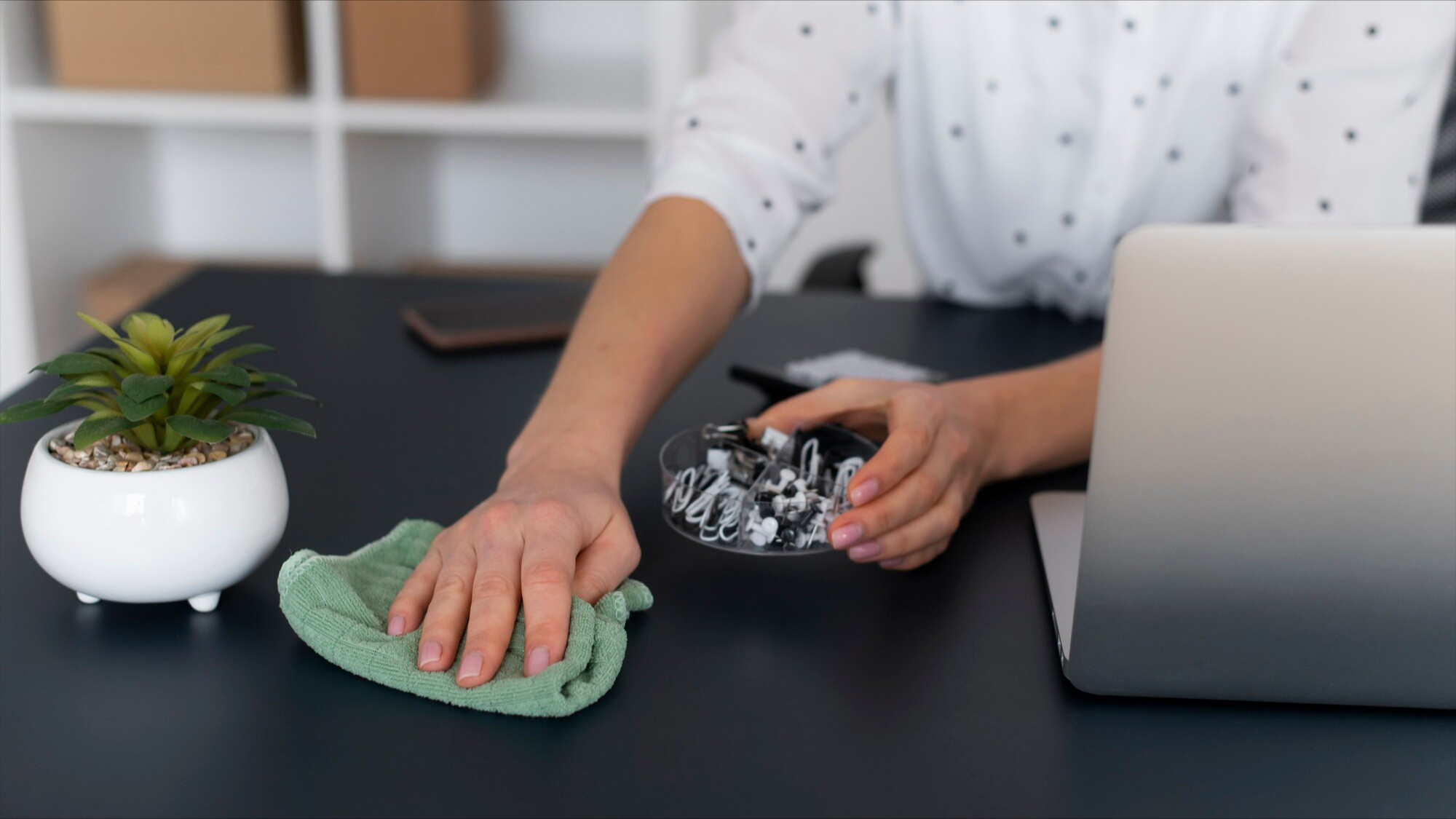
Keeping indoor allergens under control can feel challenging. However, consistent home care routines can reduce common triggers and improve everyday comfort. Many homeowners do not realize how strongly regular maintenance influences indoor air quality and daily wellness.
In South Florida, humidity, dust, and outdoor particles enter homes easily. Because of this environment, structured allergy cleaning helps support healthier living spaces and helps homes feel fresher throughout the year.
Why Allergen Control Matters for Indoor Comfort
Indoor allergens can build up quickly. Dust, pet dander, and pollen often settle into fabrics, carpets, and frequently used surfaces. Over time, this buildup can affect breathing comfort and overall air freshness. Therefore, consistent allergy cleaning helps reduce accumulation before it becomes difficult to manage.
In addition, homes that follow steady cleaning schedules often experience better airflow and less visible dust. While routine care cannot eliminate every particle, allergy cleaning helps reduce exposure levels and improves day-to-day comfort.
How Dust Removal Supports Better Air Quality
Dust removal plays a major role in indoor allergen management. When dust accumulates, it circulates through air systems and resettles on surfaces.
Strong allergy cleaning routines usually focus on:
- Removing dust from surfaces frequently
- Cleaning floors where particles naturally settle
- Maintaining fabric surfaces like sofas, curtains, and rugs
Because of this approach, homes typically maintain better air quality over time.
How Consistency Reduces Allergen Buildup
Consistency matters more than occasional deep sanitation. When homes follow regular allergy cleaning, particles have less time to accumulate and spread.
Small daily habits combined with weekly maintenance usually create the best long-term results. This method is especially important for busy families in South Florida, where outdoor particles easily enter indoor environments.
Daily Habits That Help Reduce Indoor Allergens
Daily maintenance helps control surface particles quickly. These actions take only a few minutes but support strong allergy cleaning results.
Focus on simple habits like wiping surfaces, managing clutter, and cleaning high-touch areas. These actions help prevent dust and pollen from spreading between rooms.
Weekly Cleaning That Supports Allergen Reduction
Weekly maintenance removes deeper buildup. During weekly routines, focus on floors, bathrooms, and dust-collecting furniture.
Most homes benefit from weekly attention to:
- Floors and carpet fibers
- Bathrooms and moisture-prone areas
- Bedding and fabric surfaces
Because of this structure, allergy cleaning becomes easier to maintain long term.
Deep Cleaning for Allergens: When It Becomes Essential
Deep cleaning targets hidden buildup that daily and weekly routines cannot reach. Over time, allergens settle into small crevices, baseboards, and deep flooring layers.
Professional services that support allergy cleaning usually focus on detailed dust removal, baseboard sanitation, deep floor treatment, and moisture control. When combined with routine maintenance, these services help results last longer.
When Homes Need Deeper Allergen Removal
Certain situations increase allergen buildup significantly. Homes may need deeper sanitation during high pollen seasons, after renovation projects, or during relocation periods.
Because of this, combining deep services with routine allergy cleaning helps support long-term indoor comfort and cleaner air conditions.
Allergen Management Challenges in South Florida Homes
South Florida homes face unique environmental factors. Humidity increases dust stickiness. Outdoor sand and pollen also enter homes easily through entryways and ventilation systems.
Strong local allergy cleaning habits often include frequent floor care, entryway maintenance, and regular bathroom ventilation. These steps help reduce moisture-related particle buildup and improve overall indoor conditions.
How Surface Cleanliness Supports Air Quality
Air quality depends on both airflow and surface condition. When dust accumulates, air movement spreads particles throughout the home.
Consistent allergy cleaning supports better air circulation by reducing dust reservoirs and maintaining cleaner surfaces. As a result, indoor environments feel lighter and more comfortable.
Surfaces That Hold the Most Allergens
Some household areas naturally collect more allergens than others. Focus extra attention on:
- Upholstery and soft furniture
- Carpets and area rugs
- Bedding, curtains, and fabric décor
These materials trap dust easily. Therefore, regular allergy cleaning helps maintain effective allergen control results.
Bedroom Cleaning for Better Sleep Comfort
Bedrooms should be priority zones for allergen reduction. Bedding and fabric surfaces collect dust quickly due to daily use.
Strong bedroom allergy cleaning routines often include weekly sheet washing, regular vacuuming, and surface dust removal. Because of this consistency, sleeping environments usually stay fresher and more comfortable.
Kitchen Maintenance and Allergen Exposure
The kitchen may not seem like a major allergen zone. However, crumbs and moisture can attract particles and bacteria that affect air quality.
Effective kitchen allergy cleaning includes daily counter wiping, sink sanitation, and weekly appliance maintenance. These steps help support healthier surfaces and reduce unwanted buildup.
Bathroom Cleaning and Moisture Control
Bathrooms naturally create humidity that supports particle buildup. Because of this, regular allergy cleaning helps maintain safer moisture levels.
Daily ventilation and weekly surface sanitation help reduce moisture accumulation. Over time, this supports healthier indoor air conditions.
Living Room Maintenance for Family Comfort
Living rooms collect daily dust, pet particles, and outdoor debris. Furniture, rugs, and decorative surfaces easily trap allergens.
Daily resets combined with weekly dust removal help support strong allergy cleaning results. Because of this, shared spaces remain more comfortable for families and visitors.
Move-In and Relocation Allergen Prevention
Relocation periods often introduce new dust sources. Packing materials, storage dust, and unfamiliar environments increase exposure risks.
Strong allergy cleaning during moves often includes surface sanitation before unpacking, vacuuming empty spaces, and wiping storage areas. These steps help reduce new particle introduction.
Weekly Professional Cleaning and Long-Term Allergen Control
Weekly professional service supports long-term indoor allergen management. Professional teams often remove dust from areas that are easily missed during routine home care.
When combined with daily allergy cleaning, weekly service helps maintain consistent indoor comfort and helps reduce long-term buildup.
Small Daily Habits That Support Long-Term Results
Small daily actions create strong long-term results. Consistency is usually more important than intensity when managing indoor allergens.
Helpful habits include:
- Cleaning while cooking
- Managing laundry weekly
- Wiping surfaces daily
- Decluttering regularly
These behaviors help support structured allergy cleaning systems that are easy to maintain.
Building a Sustainable Allergen Control Routine
Long-term success depends on creating routines that are realistic and repeatable. Homes that follow structured maintenance plans often experience fewer allergen spikes and more stable air quality.
Combining daily surface care, weekly deep maintenance, and periodic professional services helps support strong allergy cleaning results over time.
Seasonal Changes and Indoor Allergen Levels
Seasonal transitions often affect indoor particle levels. Spring pollen, summer humidity, and fall dust shifts can change indoor air quality patterns.
During seasonal transitions, strengthening allergy cleaning routines can help reduce sudden allergen increases and help maintain stable indoor comfort levels.
Creating a Healthier Indoor Environment Year-Round
Maintaining a healthier home environment requires consistency, planning, and realistic expectations. When families follow structured maintenance schedules, they often experience less visible dust and more stable indoor air quality.
Reliable allergy cleaning routines help support this goal by reducing buildup before it becomes overwhelming.
Breathe Better, Live Better
Consistent home care supports healthier living environments. When households follow structured allergy cleaning, they reduce dust buildup and help support better indoor comfort. Meanwhile, professional deep sanitation services help target hidden particle accumulation and support deeper allergen removal.
Therefore, combining daily habits with scheduled professional maintenance usually creates the strongest long-term results. For homeowners seeking cleaner indoor spaces and better breathing comfort, consistent allergy cleaning routines make the biggest difference.