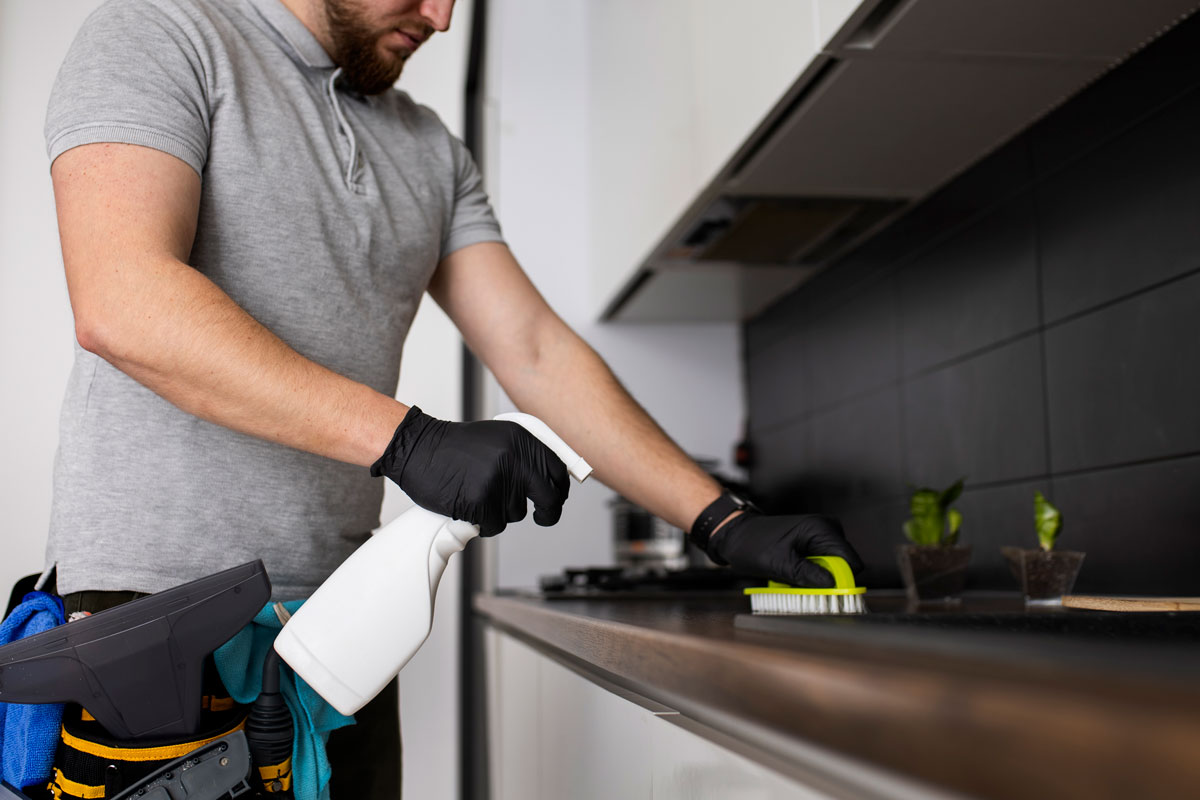
Most kitchens look clean at first glance. Counters shine, dishes are washed, and floors are mopped. However, real hygiene goes far beyond what you see every day. Grease vapor, food particles, moisture, and bacteria slowly build up in hidden areas, creating layers of contamination that routine cleaning simply cannot remove.
This is why kitchen deep cleaning plays such an important role in maintaining a safe and truly healthy home. It focuses on the spaces people rarely reach during daily or weekly routines. Over time, this deeper level of care helps prevent odors, pest activity, appliance strain, and long-term surface damage.
When homeowners commit to deep cleaning on a structured schedule, they reset the hygiene level of the entire room. The result is not just a cleaner space visually, but a safer cooking environment and better protection for expensive kitchen equipment.
Why Hidden Kitchen Dirt Builds Up Faster Than You Think
Cooking releases more than just smells. Heat pushes microscopic grease droplets into the air. These droplets settle on cabinets, ceilings, appliance sides, and ventilation systems. Once they land, they trap dust, hair, and airborne debris.
Over months, this mixture turns into a sticky film that regular wipes cannot remove. Without proper kitchen deep cleaning, this layer continues thickening, sometimes turning into a varnish-like coating that damages finishes.
Another hidden factor is moisture. Steam from cooking and dishwashing increases humidity levels, which helps bacteria grow faster. When grease and moisture combine, they create perfect conditions for contamination and odors.
Common hidden buildup sources include:
- Airborne cooking oil particles
- Steam condensation on upper surfaces
- Food splatter behind appliances
- Dust mixing with grease residue
- Spices and pantry particles settling in cabinets
When kitchen deep cleaning targets these hidden areas, surfaces last longer and indoor air quality improves significantly.
The High-Risk Zones Most People Forget to Clean
Many homeowners focus only on visible surfaces. However, the biggest hygiene risks usually exist behind, under, or above daily eye level.
The most overlooked danger zones include:
- Top cabinet surfaces
- Behind refrigerators and ovens
- Vent hood interiors and filters
- Sink plumbing and disposal zones
- Drawer corners and cabinet hinges
Cleaning Behind Appliances: Where Dirt Becomes a Real Problem
Large appliances often stay in the same position for years. During that time, food crumbs, grease drips, and dust collect underneath and behind them.
Refrigerator coils are especially important. Dust-covered coils force compressors to work harder, increasing energy costs and reducing lifespan. Proper kitchen deep cleaning includes vacuuming and wiping these mechanical components safely.
Ovens also create heavy grease vapor. Over time, grease bakes onto surrounding walls and cabinets, increasing fire risk.
Safe appliance-area cleaning usually includes:
- Disconnecting power or gas before moving units
- Vacuuming loose debris first
- Using degreaser on baked-on residue
- Cleaning floor surfaces fully before repositioning appliances
Doing this during kitchen deep cleaning protects both home safety and appliance performance.
Cabinets and Drawers: The Hidden Food Contamination Zones
Cabinet interiors often contain invisible contamination. Spilled oils, sugar residue, and crumbs create ideal conditions for insects and bacteria.
During deep cleaning, removing all cabinet contents allows full sanitation. This process also helps homeowners identify expired food and reorganize storage.
Key cabinet sanitation actions include:
- Vacuuming corners and shelf holes
- Washing or replacing shelf liners
- Disinfecting handles and knobs
- Removing sticky container residue
- Checking for moisture or mold signs
This level of detail makes kitchen deep cleaning especially valuable for homes with children, pets, or allergy sensitivities.
Protecting Health by Controlling Cross-Contamination
Kitchens constantly handle raw foods. Without proper sanitation, bacteria can spread quickly between surfaces.
Sinks are often one of the dirtiest spots in the room. Raw meat bacteria can survive on faucets, splash zones, and drying racks. That is why kitchen deep cleaning includes disinfecting not just the sink basin, but surrounding surfaces too.
Small appliances also hold hidden contamination risks. Blender seals, can opener blades, and toaster interiors can trap food residue for months.
Important sanitation focus areas include:
- Sink drains and disposal systems
- Faucet aerators
- Knife block slots
- Small appliance removable parts
- Dish drying racks and sponge holders
This step of kitchen deep cleaning dramatically reduces bacterial transfer risks.
Air Quality: The Invisible Benefit of Deeper Cleaning
Many people do not realize how much cooking affects indoor air. Grease particles and smoke residue can spread throughout the home if ventilation systems are dirty.
Range hood filters become clogged with grease. When airflow is blocked, smoke and particles stay inside the kitchen. Regular deep cleaning restores ventilation performance and reduces fire hazards.
Vent and airflow maintenance usually includes:
- Soaking metal filters in degreaser
- Cleaning hood interior surfaces
- Vacuuming air vent covers
- Checking outdoor exhaust openings
Better airflow is one of the most overlooked advantages of kitchen deep cleaning.
Extending Appliance Lifespan Through Preventative Cleaning
Appliances fail faster when dirt and mineral buildup accumulate internally. Hard water scale clogs dishwasher pumps and coffee machine tubing. Grease buildup stresses oven components.
During kitchen deep cleaning, descaling and internal maintenance help appliances operate more efficiently.
Typical maintenance tasks include:
- Dishwasher filter cleaning
- Coffee maker descaling
- Microwave steam cleaning
- Oven interior grease removal
- Disposal chamber grease breakdown
This preventative approach makes deep cleaning a cost-saving strategy long term.
Protecting Surfaces, Materials, and Finishes
Different kitchen materials require specific care methods. Using incorrect cleaners can permanently damage surfaces.
Examples include:
- Stainless steel scratching from abrasive pads
- Natural stone damage from acidic cleaners
- Wood cabinet finish breakdown from grease
- Grout darkening from dirty mop water
Building a Realistic Deep Cleaning Schedule
Most households benefit from performing kitchen deep cleaning twice per year. However, heavy cooking homes may need quarterly service.
Signs it may be time include:
- Sticky cabinet surfaces
- Lingering cooking odors
- Smoke during normal cooking
- Visible dust on appliance backs
- Increased pest activity
Following a consistent kitchen deep cleaning schedule prevents long-term buildup from forming.
The Real Value of Going Beyond Surface Cleaning
A truly clean kitchen is not defined by shiny counters. It is defined by invisible hygiene, safe airflow, protected appliances, and controlled bacteria exposure.
Investing time in kitchen deep cleaning improves food safety, extends equipment lifespan, and supports healthier living conditions. It also prevents small maintenance issues from turning into expensive repairs later.
Whether done personally or through professionals, kitchen deep cleaning creates a reset point for the entire home. When hidden grease, dust, and bacteria are removed, the kitchen becomes safer, fresher, and easier to maintain daily.