
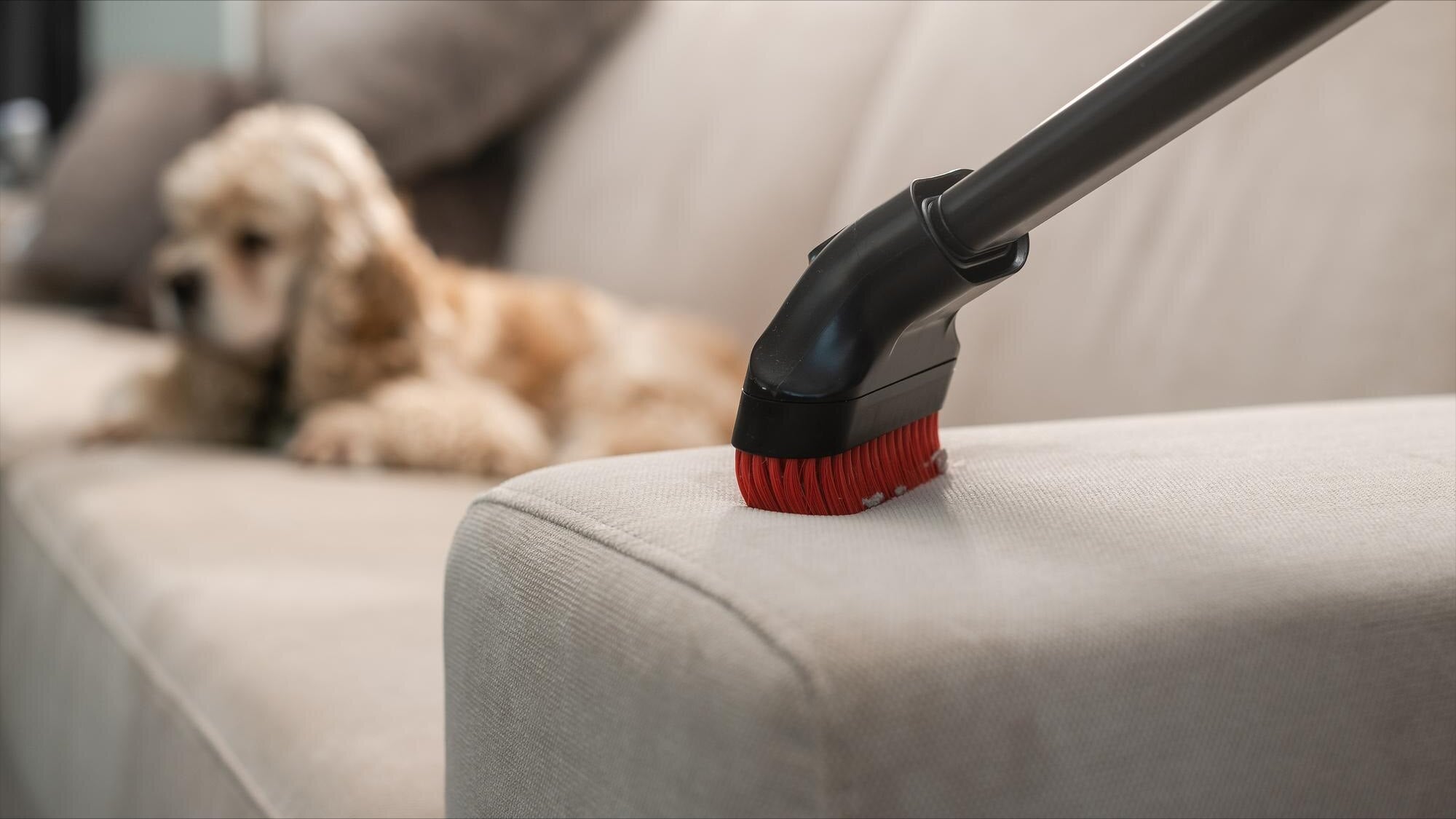
Living with pets adds comfort, companionship, and daily joy. Pets quickly become part of the family. However, they also bring extra cleaning challenges. Hair collects on floors and furniture. Odors can build slowly over time. Dander and outdoor debris can settle into fabrics and carpets. Because of this, following a consistent pet home cleaning routine helps keep your home healthier and easier to manage.
Many pet owners clean often but still feel like hair and odors return quickly. This usually happens when cleaning only happens after mess becomes visible. A strong pet home cleaning strategy focuses on prevention. Instead of reacting to buildup, you reduce it daily. Over time, this helps protect surfaces, improve air quality, and maintain overall home comfort.
In humid environments, cleaning becomes even more important. Moisture can trap odors in fabrics and make dirt stick to surfaces longer. Because of this, a structured pet home cleaning routine helps control long-term odor and allergen buildup while supporting a healthier indoor space.
Why Pet Homes Need a Targeted Cleaning Routine
Homes with pets naturally require more detailed cleaning compared to homes without animals. Fur spreads across floors and furniture quickly. Dander settles deep into carpets and upholstery. Dirt and debris enter the home through paws and fur. Because of this, a targeted pet home cleaning routine improves long-term results.
Most pet owners experience a few common cleaning challenges:
- Hair collecting daily on floors and soft surfaces
- Odor absorption into fabrics and carpets
- Dander settling in upholstery and rugs
- Outdoor debris tracked into entry areas
These issues affect indoor air quality, home comfort, and surface cleanliness. Consistent pet home cleaning helps prevent particles from circulating throughout the home.
Tip 1: Stay Consistent With Pet Hair Removal
Pet hair is usually the most visible cleaning challenge. However, once hair spreads into corners, seams, and fabrics, removal becomes harder. A daily pet home cleaning habit focused on hair removal helps prevent heavy buildup.
Strong hair removal habits include:
- Vacuuming high-traffic areas frequently
- Using rubber or electrostatic tools for carpets
- Vacuuming furniture and upholstery weekly
Consistency makes hair removal faster and prevents deep buildup.
Tip 2: Control Pet Odors Early
Odor control works best when done early. Once odors settle into fabrics or carpet fibers, they become harder to remove. A preventive pet home cleaning routine helps control odor sources before they spread.
Helpful odor control habits include:
- Washing pet bedding weekly
- Cleaning litter or bathroom zones frequently
- Wiping feeding areas daily
Early odor control supports long-term freshness and prevents deep odor absorption.
Tip 3: Reduce Pet Dander With Deep Cleaning
Pet dander is not always visible but can impact indoor air quality. Because dander particles are small, they circulate easily through airflow systems. Deep pet home cleaning helps remove hidden allergens.
Deep cleaning should include:
- Carpet deep cleaning cycles
- Upholstery deep cleaning
- Curtain and fabric dust removal
Regular deep cleaning helps improve breathing comfort and overall air quality.
Tip 4: Protect Floors From Paw Dirt and Outdoor Debris
Pets naturally bring outdoor debris indoors. Dirt, sand, and moisture can affect floor appearance and durability. A strong pet home cleaning routine includes entryway and floor protection habits.
Effective floor protection habits include:
- Using entry mats near doors
- Cleaning paws after outdoor walks
- Vacuuming entry floors regularly
These habits reduce surface damage and support long-term floor protection.
Tip 5: Keep Feeding Areas Sanitary
Feeding areas can collect food residue and bacteria quickly. Cleaning these areas daily is an important part of pet home cleaning.
Feeding area cleaning habits include:
- Wiping food bowls daily
- Cleaning under feeding mats
- Sanitizing surrounding floors
Consistent cleaning supports better hygiene and reduces bacterial growth.
Tip 6: Clean Pet Beds and Fabrics Regularly
Soft fabrics trap fur, odors, and allergens more easily than hard surfaces. Regular fabric cleaning is essential in any pet home cleaning routine.
Fabric cleaning usually includes:
- Washing pet beds weekly
- Vacuuming furniture frequently
- Washing blankets regularly
Consistent fabric cleaning keeps homes smelling fresher and improves indoor comfort.
Tip 7: Use Pet-Safe Cleaning Products
Some cleaning chemicals can irritate pets or cause health risks. Safe product selection is a critical part of pet home cleaning.
Safe cleaning habits include:
- Avoiding harsh chemical sprays
- Rinsing floors after mopping
- Storing cleaning products safely
Safe cleaning supports both pet health and family safety.
Tip 8: Schedule Professional Pet Home Cleaning When Needed
Sometimes routine cleaning cannot fully remove deep buildup. Professional pet home cleaning services help remove embedded dirt, allergens, and odor sources.
Professional services can help with:
- Deep carpet cleaning
- Upholstery deep cleaning
- Odor treatment solutions
Professional equipment can remove particles that standard household tools cannot reach.
How Often Pet Homes Should Be Cleaned
Pet homes usually require more frequent cleaning compared to non-pet homes. Structured routines help prevent heavy buildup.
A realistic pet home cleaning schedule often includes:
- Daily: Vacuum main traffic areas and clean feeding zones
- Weekly: Mop floors and wash pet bedding
- Monthly: Deep clean carpets and upholstery
Consistency helps maintain indoor air quality and surface cleanliness.
Common Pet Home Cleaning Mistakes to Avoid
Some cleaning habits can make maintenance harder long term.
Common mistakes include:
- Waiting too long between vacuum sessions
- Ignoring hidden dander buildup areas
- Using incorrect or harsh cleaning products
Preventive cleaning saves time and improves long-term cleaning results.
Pet Home Cleaning in Humid and Coastal Climates
Climate conditions directly affect cleaning needs. Humidity can trap odors and increase surface contamination.
Common climate-related cleaning challenges include:
- Odors staying longer in fabrics
- Dirt sticking to slightly damp surfaces
- Outdoor moisture increasing indoor debris
Adjusting pet home cleaning routines based on climate helps improve long-term home cleanliness.
How Pet Home Cleaning Supports Healthier Indoor Air
Clean floors and fabrics help support healthier indoor air quality. Dust, dander, and allergens often settle on floors before circulating through the home.
Consistent pet home cleaning helps:
- Reduce airborne allergen levels
- Improve indoor air freshness
- Maintain cleaner surfaces
- Reduce odor buildup
Cleaner indoor environments help both pets and family members feel more comfortable.
A Cleaner Home Creates a Happier Pet Environment
Living with pets should feel comfortable and stress-free. When homeowners follow consistent pet home cleaning routines, homes stay fresher and easier to maintain.
In humid coastal environments, regular maintenance helps control odor and debris buildup. Combining daily maintenance with scheduled deep cleaning makes pet home cleaning manageable long term.
When needed, professional cleaning services can support routine maintenance. With the right strategy, pet home cleaning protects flooring, improves air quality, and creates a healthier living environment for both pets and families.
If you want next, I can:
- Tune this to exact 0.8% keyword math,
- Add RankMath optimization checklist (score-focused),
- Create internal link + anchor map, or
- Write meta tags + schema markup.